
Crafting Excellence: Artisan Staircase Craftsmanship
- pittman247
- 2 days ago
- 4 min read
When you step into a luxury home, the staircase often serves as the silent ambassador of the entire space. It is more than a mere functional element; it is a statement of style, a testament to architectural vision, and a showcase of unparalleled craftsmanship. I have witnessed firsthand how artisan staircase craftsmanship transforms ordinary homes into extraordinary living experiences. This journey into the world of bespoke staircases reveals the meticulous artistry and technical precision that define true excellence.
The Art and Science of Artisan Staircase Craftsmanship
Artisan staircase craftsmanship is a harmonious blend of creativity and engineering. It demands a deep understanding of materials, structural integrity, and aesthetic balance. Every curve, every joint, and every finish is carefully considered to ensure the staircase not only supports but elevates the home’s design narrative.
In luxury homes, staircases are often the centerpiece, commanding attention with their sweeping lines and intricate details. The choice of wood, metal, or glass, combined with custom balustrades and hand-carved newel posts, reflects the homeowner’s personality and the architect’s vision. The process begins with a detailed consultation, where your preferences and the home’s architectural style guide the design.
The precision required in artisan craftsmanship cannot be overstated. Each step must be perfectly aligned, the rise and run meticulously calculated to ensure comfort and safety. The finish must be flawless, highlighting the natural beauty of the materials while providing durability. This level of detail is what separates a handcrafted masterpiece from a mass-produced fixture.

What is the 27 Rule for Stairs?
Understanding the 27 rule is essential for anyone involved in staircase design or construction. This rule is a fundamental guideline that ensures staircases are both comfortable and safe to use. It states that the sum of the rise (the vertical height of a step) and the run (the horizontal depth of a step) should equal approximately 27 inches.
For example, if the rise is 7 inches, the run should be about 20 inches. This balance creates a natural rhythm for walking up or down the stairs, reducing fatigue and minimizing the risk of missteps. Adhering to this rule is a hallmark of expert staircase builders who prioritize user experience alongside aesthetic appeal.
In luxury homes, where staircases often feature unique designs and custom dimensions, the 27 rule serves as a critical benchmark. It ensures that even the most artistic staircases remain practical and safe. Deviating from this rule can lead to discomfort or even accidents, which is unacceptable in high-end residential projects.
Materials and Techniques: Elevating Staircase Design
The choice of materials is pivotal in defining the character and durability of a staircase. Artisan staircase craftsmanship embraces a variety of premium materials, each bringing its own unique qualities to the design.
Hardwoods such as walnut, cherry, and oak are favored for their strength and rich grain patterns. These woods age gracefully, developing a patina that enhances their beauty over time.
Metalwork, including wrought iron and stainless steel, introduces a modern or industrial edge. Skilled metalworkers create custom balusters and railings that complement the woodwork or stand boldly on their own.
Glass panels offer transparency and lightness, perfect for contemporary homes seeking to maximize natural light and open space.
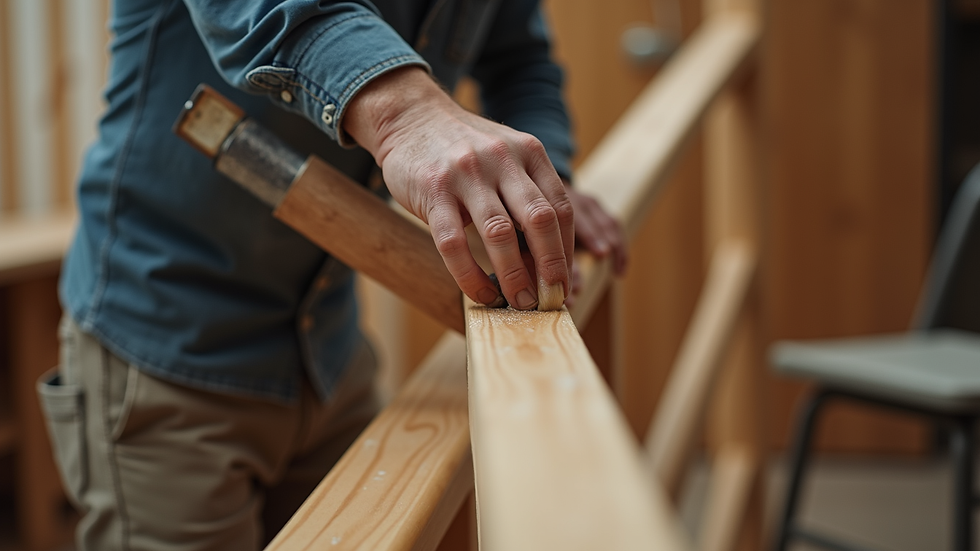
The techniques employed by expert craftsmen are equally important. Traditional joinery methods, such as mortise and tenon or dovetail joints, ensure structural integrity without relying solely on mechanical fasteners. Hand-finishing techniques, including sanding, staining, and sealing, bring out the best in the materials and protect them from wear.
The integration of technology, such as 3D modeling and CNC machining, allows for precision and customization previously unattainable. However, it is the artisan’s touch that breathes life into these technical tools, transforming raw materials into functional art.
The Role of Customization in Luxury Staircases
Customization is the cornerstone of luxury staircase design. No two homes are alike, and the staircase must reflect the unique character and lifestyle of its inhabitants. This bespoke approach involves collaboration between homeowners, architects, and craftsmen to create a staircase that is both a functional element and a work of art.
Consider the following aspects of customization:
Design Style - From classic Victorian to sleek modern minimalism, the design must harmonize with the home’s overall aesthetic.
Dimensions and Layout - Custom staircases can be straight, curved, spiral, or floating, each requiring precise engineering and design.
Material Selection - Tailored to the homeowner’s preferences and the home’s environment, ensuring longevity and beauty.
Decorative Elements - Hand-carved details, inlays, lighting integration, and unique balustrade designs add personality and exclusivity.
This level of customization demands a team with extensive experience and a commitment to excellence. It is why discerning clients seek out expert staircase builders who understand the nuances of luxury projects and can deliver beyond expectations.
Ensuring Longevity and Safety in Staircase Construction
A staircase is an investment that should last a lifetime, maintaining its beauty and functionality through decades of use. Achieving this requires a rigorous focus on quality, safety, and maintenance.
Structural Soundness: The foundation and framing must support the staircase’s weight and usage without flexing or creaking.
Code Compliance: Adhering to local building codes and regulations is non-negotiable, ensuring safety and legal compliance.
Durable Finishes: Protective coatings guard against moisture, wear, and UV damage, preserving the staircase’s appearance.
Regular Maintenance: Periodic inspections and upkeep prevent minor issues from becoming costly repairs.
In high-end homes, safety features are often seamlessly integrated into the design. For example, subtle lighting along the treads enhances visibility without detracting from the staircase’s elegance. Handrails are ergonomically designed for comfort and support, blending form and function.
By prioritizing these elements, you ensure that your staircase remains a stunning focal point and a safe passage for all who use it.
Elevate Your Home with Artisan Staircase Craftsmanship
Investing in artisan staircase craftsmanship is an investment in your home’s identity and value. The staircase is more than a means of moving between floors; it is a sculptural element that defines the ambiance and elevates the entire living experience.
When you choose to work with expert staircase builders, you are partnering with artisans who bring passion, precision, and innovation to every project. Their dedication to excellence ensures that your staircase will be a timeless masterpiece, tailored to your vision and crafted to perfection.
Whether you envision a grand, sweeping staircase or a sleek, modern design, the possibilities are boundless. Embrace the artistry and technical mastery that only true experts can provide, and transform your home with a staircase that is as functional as it is breathtaking.


Comments